
Losing weight successfully comes down to one simple principle: burn more calories than you consume while preserving as much muscle as possible. The most effective approach isn’t endless hours of cardio or doing hundreds of crunches. Instead, it’s combining strength training, cardiovascular exercise, and consistency into a routine you can maintain long term.
If you’re looking for the best exercises to lose weight, the answer is a combination of resistance training, full-body movements, and strategic cardio sessions. This combination helps increase calorie burn during workouts while improving your metabolism throughout the day.
Why Exercise Matters for Weight Loss
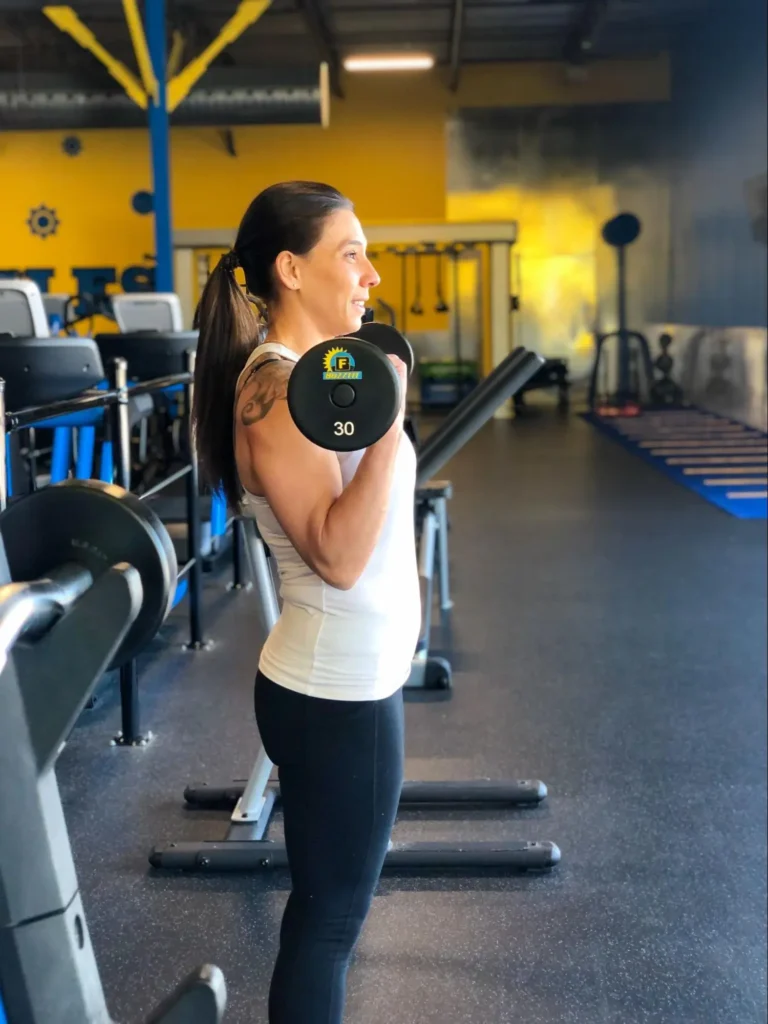
Many people focus solely on diet when trying to lose weight, but exercise plays a crucial role in improving body composition. While nutrition creates the calorie deficit needed for fat loss, exercise helps preserve lean muscle tissue, improve cardiovascular health, and increase daily energy expenditure.
According to the Centers for Disease Control and Prevention (CDC), adults should participate in regular physical activity to support healthy weight management and overall health.
One of the biggest misconceptions is that more exercise always equals faster results. In reality, the most successful weight-loss programs focus on sustainable habits rather than extreme workouts.
The Science Behind Fat Loss
Your body uses stored energy when you consistently burn more calories than you consume. However, the quality of your workouts determines whether that weight comes primarily from fat or from a combination of fat and muscle.
Strength training helps preserve muscle mass during a calorie deficit. This is important because muscle tissue requires more energy to maintain than fat tissue. The more lean muscle you have, the more calories your body burns throughout the day.
Research from the National Institutes of Health (NIH) continues to show that combining resistance training with aerobic activity produces better long-term body composition outcomes than relying on either method alone.
Strength Training: The Most Underrated Fat-Loss Tool
Many people still believe cardio is the only way to lose weight. While cardio certainly helps, strength training often provides greater long-term benefits.
Compound exercises recruit multiple muscle groups simultaneously, allowing you to burn more calories during and after your workout. These movements also improve strength, posture, and athletic performance.
Squats, deadlifts, lunges, push-ups, rows, and overhead presses should form the foundation of most weight-loss programs.
A well-designed resistance training routine performed three to four times per week creates the ideal environment for fat loss while maintaining muscle.
Why Walking Is Still One of the Best Fat-Burning Activities
Walking rarely receives the attention it deserves.
Unlike intense workouts that can be difficult to recover from, walking is accessible, low-impact, and easy to maintain consistently. It increases daily calorie expenditure without placing excessive stress on the body.
Many successful weight-loss transformations include a daily walking habit because it supports recovery while helping maintain a calorie deficit.
For beginners, increasing daily step count may be one of the simplest ways to start seeing progress.
Understanding Cardio and Fat Loss
Cardio remains an important part of any weight-loss program because it helps increase calorie expenditure and improve heart health.
The most effective form of cardio is often the one you’ll actually perform consistently. Some people enjoy running, while others prefer cycling, rowing, swimming, or brisk walking.
When people search for cardio to lose belly fat, they often hope for a specific workout that targets abdominal fat directly. Unfortunately, spot reduction isn’t possible. Fat loss occurs throughout the body as overall body fat decreases.
The good news is that consistent cardiovascular training combined with proper nutrition will eventually reduce fat around the midsection as well.
What Is the Best Cardio for Belly Fat?
The best cardio for belly fat is the form of exercise you can perform regularly while maintaining sufficient intensity.
High-Intensity Interval Training (HIIT) has become popular because it allows people to burn significant calories in a shorter period. Alternating short bursts of hard effort with recovery periods can improve fitness while supporting fat loss.
However, steady-state cardio remains highly effective and is often easier to recover from.
Walking on an incline treadmill, cycling, swimming, and rowing are all excellent options. The ideal choice depends on your fitness level, preferences, and physical limitations.
Full-Body Workouts Burn More Calories
One of the biggest gaps in many weight-loss routines is focusing too much on isolated exercises.
Full-body workouts recruit more muscle tissue, elevate heart rate, and generally burn more calories than routines focused on a single body part.
Exercises like kettlebell swings, farmer carries, squats, push-ups, and rowing movements challenge multiple systems simultaneously.
This is why many fitness professionals prioritize full-body training for individuals whose primary goal is fat loss.
Core Training and the Reality of Belly Fat
Many people spend countless hours searching for lower belly exercises hoping to flatten their stomach quickly.
While strengthening the core is beneficial, no exercise can selectively burn fat from the lower abdomen. Visible abdominal definition appears when overall body fat levels decrease.
That said, strengthening the core improves posture, stability, and athletic performance.
Exercises such as planks, hanging knee raises, reverse crunches, and controlled leg raises can help build stronger abdominal muscles underneath the fat layer.
Effective Lower Belly Workouts
A quality lower belly fat workout should focus on strengthening the entire core rather than isolating one small region.
Movements like reverse crunches, dead bugs, mountain climbers, and leg raises challenge the lower portion of the abdominal wall while improving stability.
When paired with a calorie-controlled diet and regular exercise, these movements contribute to stronger core development over time.
The key is understanding that fat loss comes primarily from overall energy balance, not from performing a specific abdominal exercise.
Can Crunches Burn Belly Fat?
One of the most common fitness myths involves crunches for belly fat.
Crunches strengthen the abdominal muscles but do not directly remove fat covering them. You could perform hundreds of crunches every day and still not see visible abs if body fat remains high.
Instead of relying solely on crunches, combine core work with resistance training, cardio, and proper nutrition.
This creates the conditions necessary for actual fat loss.
Training the Obliques for a Stronger Midsection
Many people want a more defined waistline and often search for a side fat workout.
The oblique muscles run along the sides of the abdomen and help with rotation, stability, and posture. Training them can improve core strength and create a more athletic appearance.
Exercises like side planks, cable rotations, woodchoppers, and suitcase carries effectively target these muscles.
Combined with fat loss, stronger obliques can contribute to the appearance of a small waist.
The Importance of Stability Training
One exercise frequently overlooked in weight-loss programs is the bird-dog exercise.
This movement improves core stability, spinal control, balance, and coordination. Although it doesn’t burn huge numbers of calories, it helps create a stronger foundation for more demanding exercises.
For beginners, including stability exercises can reduce injury risk while improving movement quality.
A strong foundation ultimately leads to better training consistency and improved results.
Gym Ball Exercises for Better Core Activation
Fitness balls can add variety to traditional workouts while increasing stability demands.
Several gym ball exercises for flat stomach goals focus on activating the core through controlled movement patterns. Stability-ball rollouts, ball pikes, and ball crunches challenge the abdominal muscles differently than floor-based exercises.
While these movements won’t directly remove stomach fat, they can improve core strength and muscular endurance.
Creating the Ideal Weekly Weight-Loss Routine
The most effective workout schedule combines strength training, cardio, mobility work, and recovery.
A balanced week might include three strength-training sessions, two cardiovascular workouts, and regular walking throughout the week.
This structure allows enough stimulus for fat loss without overwhelming recovery.
Consistency matters far more than perfection. A good program performed for six months will always outperform a perfect program abandoned after three weeks.
Nutrition Still Drives Results
No workout routine can overcome consistently poor nutrition.
The Academy of Nutrition and Dietetics emphasizes that successful weight management depends on sustainable eating habits, adequate protein intake, and long-term lifestyle changes.
Focus on lean protein sources, vegetables, fruits, whole grains, and healthy fats. These foods support recovery while helping control hunger.
When nutrition and exercise work together, results become significantly more predictable.
Common Weight-Loss Mistakes
One of the biggest mistakes people make is doing too much too soon. Excessive cardio, severe calorie restriction, and unrealistic expectations often lead to burnout.
Another mistake is ignoring strength training. Muscle preservation should be a priority during any fat-loss phase.
Finally, many people underestimate the importance of sleep. Poor sleep affects recovery, appetite regulation, and workout performance.
Long-term success comes from balancing training, nutrition, recovery, and consistency.
Why Sustainable Habits Always Win
The most effective fat-loss program isn’t the most extreme one.
It’s the one you can follow next month, six months from now, and even years later.
Building a lifestyle around regular movement, strength training, nutritious eating, and adequate recovery creates lasting results that don’t disappear after a short challenge or crash diet.
Whether you’re exercising at home or training at Buzzfit, the goal should always be creating habits that fit your lifestyle and support your long-term health.
Final Thoughts
The best exercises to lose weight are the ones that combine strength training, cardiovascular activity, and consistency. There is no magical workout that melts fat from a specific area of the body. Lasting results come from improving overall fitness while maintaining a sustainable calorie deficit.
If you’re beginning your fitness journey, start simple. Walk more, lift weights regularly, strengthen your core, and focus on consistency. Over time, these habits compound into remarkable results. And if you’re looking for a supportive environment to stay motivated, Buzzfit provides the equipment, coaching, and community that can help you stay on track toward your goals.
Frequently Asked Questions
What exercise burns the most fat?
Compound strength exercises combined with cardiovascular training generally provide the highest overall calorie expenditure. Movements like squats, deadlifts, rowing, and interval training are particularly effective.
How often should I exercise to lose weight?
Most people see good results with three to five structured workouts per week combined with regular daily movement such as walking.
Can I lose belly fat without cardio?
Yes. Fat loss primarily comes from maintaining a calorie deficit. Cardio helps increase calorie expenditure, but nutrition remains the most important factor.
Are lower belly exercises effective?
They strengthen abdominal muscles but do not selectively remove fat from the lower stomach area. Overall fat loss is required to reveal abdominal definition.
Is strength training better than cardio for weight loss?
Neither is better on its own. Combining both produces the best results because strength training preserves muscle while cardio increases calorie burn.
How long does it take to see weight-loss results?
Many people notice improvements in energy and fitness within a few weeks. Visible body composition changes often become noticeable after six to twelve weeks of consistent effort.