
The biggest reason people stop going to the gym isn’t motivation. It’s timing.
Work ran late. The kids needed something. The only real window you had was 10pm and the gym locked up at nine. One missed session turns into three, three turns into a month of good intentions that never quite lined up with actual life.
That’s not a discipline problem, that’s a scheduling problem.
And honestly? A 24 hour gym is the simplest fix for it.
When the gym is always open, timing stops being the thing that derails you. You go when your day actually allows it. Not when a facility decides to be available.
The Schedule Nobody In Fitness Marketing Talks About
Most gym ads show someone training at 7am. Perfect lighting, clear floor, fresh energy. It looks great. It also has nothing to do with how most people’s weeks actually run.
Think about who’s really out there. A nurse finishing nights at 6am who still wants to move before she sleeps. A university student whose only genuinely free hour is midnight on a Wednesday. A dad who can’t leave the house until the kids are down and by then it’s already 9:30. A shift worker whose “morning” is a different time every single week.
For all of these people, and if we’re being honest, for a huge chunk of gym members in general, a place with standard hours isn’t really a gym. It’s somewhere you can go when things line up. Which is less often than you planned when you signed up.
A 24/7 gym removes that problem entirely. Whatever shifted this week, whatever came up, whatever ran over, the option is always sitting there. That alone is what turns a gym membership from something you feel vaguely guilty about into something that actually functions in your life.
People trying to create a sustainable routine often benefit from understanding how a fitness training center transforms your daily routine instead of treating workouts like random bursts of motivation.
Consistency Beats Intensity. Every Time. No Exceptions.
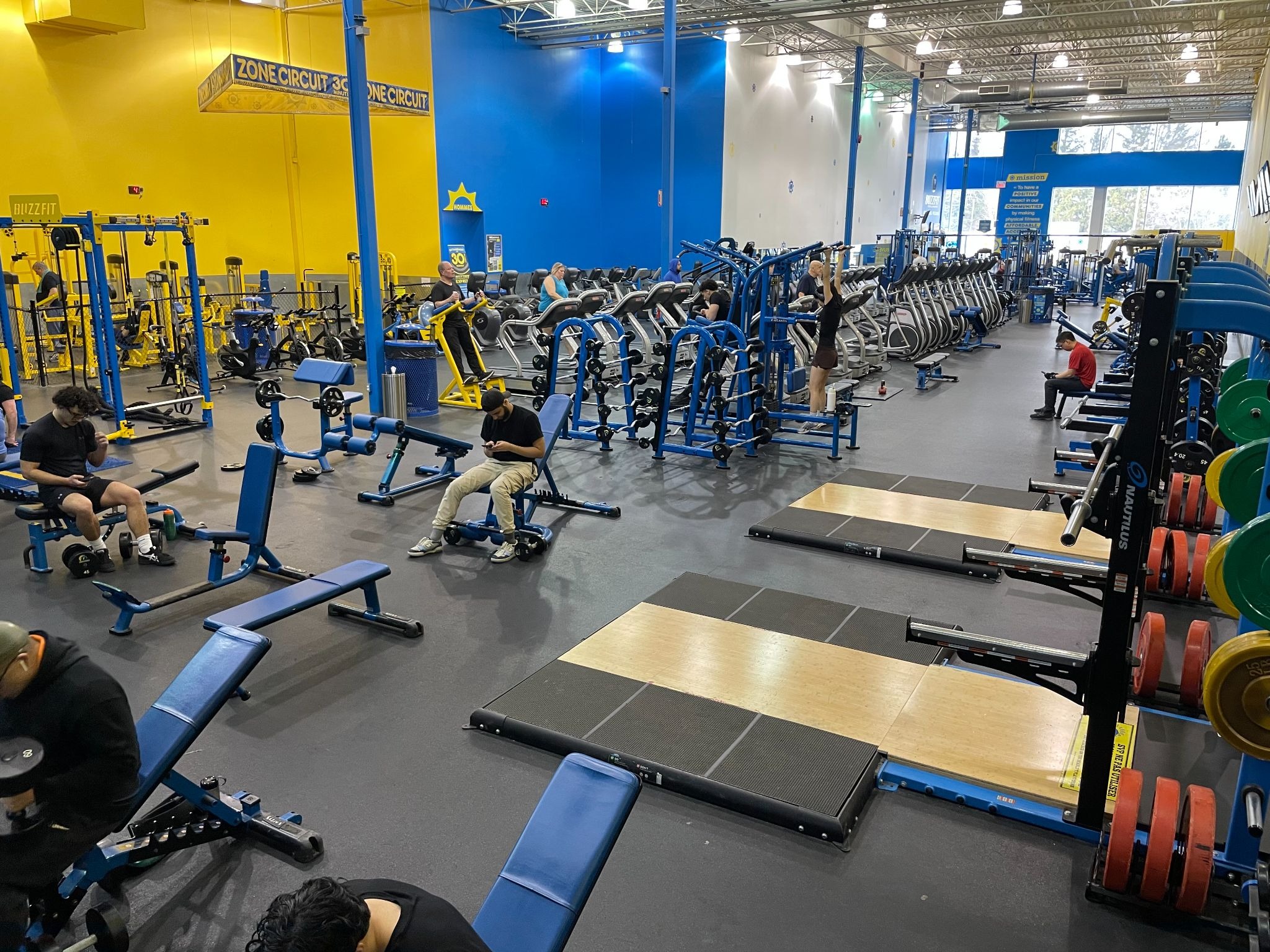
Here’s something the fitness industry genuinely undersells.
Three intense sessions a week for two months moves the needle very little. Three moderate sessions a week for a full year? That changes things noticeably.
The return on consistent training isn’t dramatic or fast; it builds slowly, quietly, over time. Better sleep. More energy in the afternoons instead of hitting a wall. Stress that has somewhere to go instead of sitting in your chest all week. Strength that increases gradually and then one day just feels normal.
None of that happens without consistency. And consistency, real, boring, unglamorous consistency is exactly what round-the-clock access to a local gym protects.
This is backed by research from the American College of Sports Medicine, which consistently shows that training frequency and long-term adherence produce better health outcomes than short bursts of high intensity followed by long gaps.
When your gym is open at 11pm, the late finish at work stops being a reason to skip. When it’s open at 5am, the early start doesn’t cancel your session. The excuses that used to be completely legitimate simply stop working.
And over months and years, that matters more than any single workout ever could.
For beginners especially, building consistency usually starts with a realistic structure like this gym workout routine for beginners.
Affordable Gym Memberships, The Number Isn’t The Whole Story
Price comes up early in almost every gym conversation. It should. But the monthly number alone doesn’t tell you anything useful.
A cheap gym membership that gives you access to a well-maintained floor, decent equipment, and an atmosphere that doesn’t make you want to leave early? That’s genuinely good value.
A more expensive one with facilities that are always overcrowded and amenities listed on the website that require a tier nobody mentioned at signup? That’s not worth any price.
The Physical Activity Guidelines for Americans recommend at least 150 minutes of moderate activity per week — a target that’s significantly easier to hit when the gym you’re paying for actually fits your life and your budget without any hidden complications.
What to look for is transparency. Clear tiers. Honest pricing upfront. No fees that surface three months in. No classes that cost extra when you assumed they were included.
Buzzfit keeps this simple. Two options, the FIT CARD at $7.99 bi-weekly covering full gym floor access, and the BUZZ CARD at $13.99 bi-weekly which adds the full amenities package: 24/7 sauna, InBody body composition analysis, red light therapy, tanning, massage chairs, and hydromassage beds.
Both are clear. Neither comes with pressure to upgrade before you’re ready.
Across 13 locations in Quebec with genuine 24 hour fitness access, that’s a pricing structure that’s genuinely hard to argue with.
If budget matters most, it also helps to understand the difference between cheap gym memberships and real long-term value.
Walk In First. Seriously.
A gym’s website will always look good. Reviews can be curated. Neither tells you what you actually need to know.
Go in during a busy hour. Watch what happens.
Is the floor chaotic or just well-used? Are the machines you’d actually train on available, or is there always someone on the one piece of equipment you came for? Does anyone at the front desk acknowledge you when you walk in, or does it feel like you wandered into somewhere you weren’t expected?
Is the equipment in proper working condition or is there always something out of order that’s been out of order for weeks?
And beyond all the practical stuff, does the atmosphere feel like somewhere you’d genuinely come back to on a tired Thursday evening when nothing is particularly inspiring and the couch at home is very comfortable?
That last question is the one that matters.
Not the session you do when you’re energized and everything is going well. The one you do on an ordinary evening in February when the gym being open, close, and welcoming is the only thing that got you off the sofa.
Buzzfit was designed around exactly this. Judgment-free isn’t just something they say — it’s the actual reason first-timers feel at ease immediately, and it’s the reason members who’ve been coming for years still feel it.
If you’re still comparing options, this guide on finding the best gym near you for your goals helps break down what actually matters beyond marketing.
Recovery Is Half The Work And Most People Ignore It Completely
People think about gym memberships almost entirely in terms of what they can do while they’re training. The recovery side gets overlooked until something hurts, and by then it’s already set them back.
Regular sauna use after training makes a genuine difference. According to research highlighted by the Mayo Clinic, consistent sauna sessions support cardiovascular health, reduce muscle soreness, and improve circulation in ways that keep the body ready to go again rather than grinding through two days of stiffness after a hard session.
Red light therapy addresses inflammation at a level most people don’t notice until they’ve been using it consistently for a few weeks and then stop.
InBody analysis replaces guesswork with actual data — body composition, muscle mass, fat percentage — so you know whether what you’re doing is working instead of going by how your clothes fit on a given morning.
None of this is reserved for serious athletes or people training six days a week.
For anyone using a 24/7 gym consistently over months, these tools are what make the difference between sustainable progress and burning out and starting over every few months.
Many members also combine recovery tools with strategies covered in how to speed up workout recovery safely to stay consistent long term.
Classes, Coaching, Solo Work, You’ll Probably Want All Three At Some Point
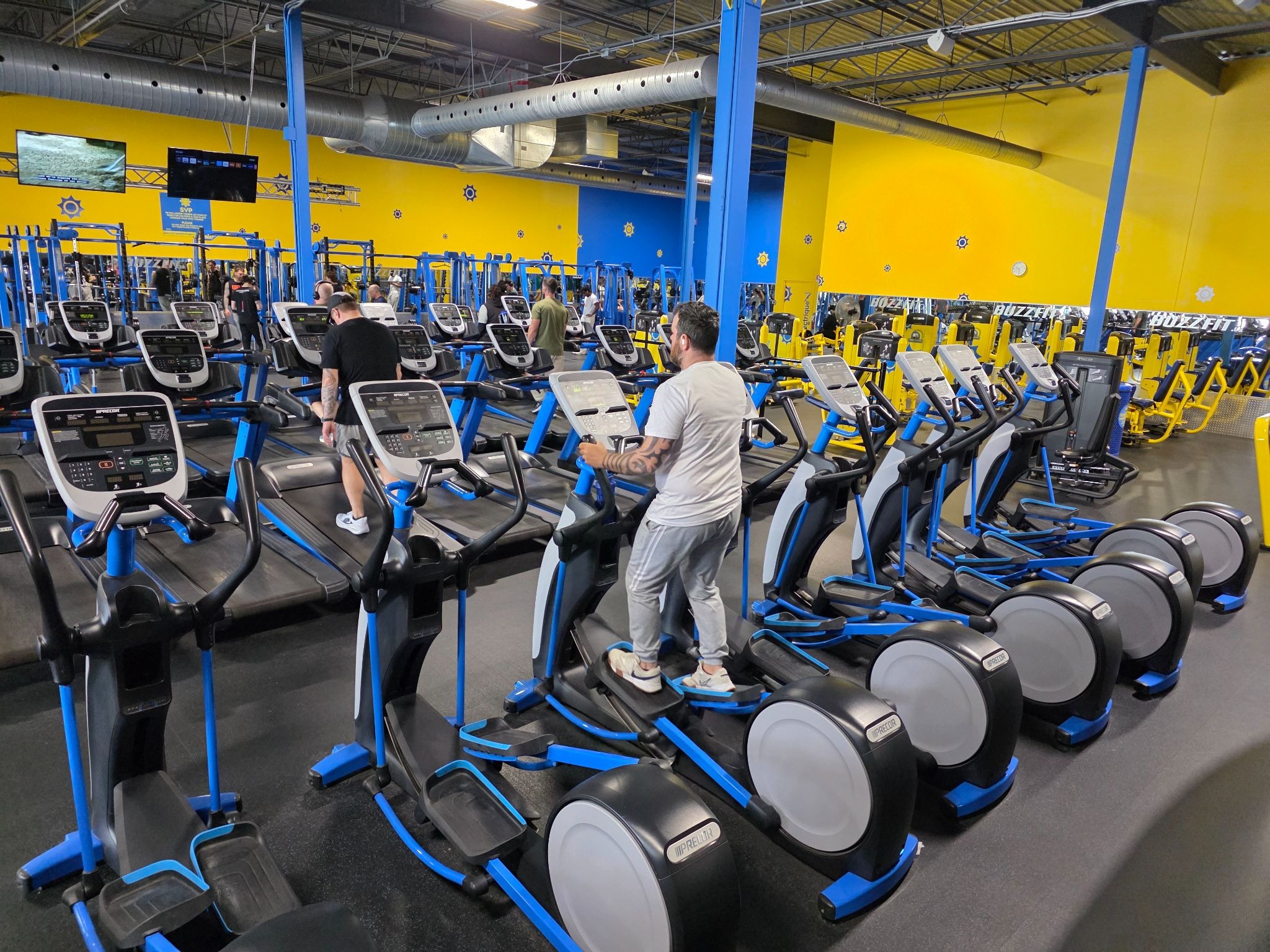
Most people start with one approach and shift over time. That’s completely normal.
Group fitness classes are where a lot of people find their footing first, and there’s a real reason for that.
A study referenced by Harvard Health Publishing found that people who exercise in group settings show significantly higher adherence rates compared to those training alone.
The structure keeps you honest. The energy in the room pushes you past the point you’d stop at on your own. Shared effort makes difficult things feel more manageable in a way that’s hard to manufacture when you’re training solo.
If you’re unsure where to begin, these easy fitness classes that help build consistency are often the best entry point.
Personal training comes in when progress stalls, when you want to move faster toward something specific, or when you just need someone to actually watch what you’re doing and point out what isn’t working.
One honest session with a good trainer can fix months of guessing.
Solo training takes over once you’ve built enough confidence to run your own sessions properly and own your program without external structure.
A fitness center worth joining supports all three. Not as upgrades. Not as extras. As options that are there when you need them and not pushed on you when you don’t.
One Question Before You Sign Anything
After the tour, after looking at membership prices, after comparing locations, sit with this one honestly.
Can I see myself walking into this place on a regular basis?
Not in week one when everything is new and motivation is high. Not when the routine is already established and going feels automatic.
On a Tuesday in November. Work was long. It’s cold outside. Nothing about the evening is particularly inspiring. The gym is open, it’s nearby, and it feels like somewhere you actually want to be.
That’s the gym.
That’s the one worth committing to.
Buzzfit has 13 locations across Quebec, 24/7 access, and a setup built around making consistency feel like the natural choice rather than the hard one. Head to buzzfit.ca/locations, take a free tour, and see how it feels in person.
Because that’s really the only way to know.