
Let’s be honest about something.
Most people who cancel their gym membership don’t cancel because they hate exercise. They canceled because the gym stopped fitting their life — wrong hours, wrong atmosphere, wrong price point — and somewhere between the third skipped week and the next billing date, it stopped making sense to keep paying for something they weren’t using.
That’s not a motivation problem. It’s usually an environmental problem.
And it’s fixable. But only if you understand what a gym membership is actually supposed to give you — and what to look for before signing up for one.
The Calculation Most People Get Wrong
Here’s how the math usually goes.
You pay $30 a month. You go six times. That’s $5 a visit. You went less than you planned, so it feels like wasted money.
Logical. But completely incomplete.
A gym membership isn’t a movie ticket or a one-time purchase. It’s infrastructure for your health. It gives you a consistent place to move your body, reduce stress, improve energy, and create routines that support long-term wellbeing.
That option alone matters more than people think.
Better sleep. More stable energy. Less stress after work. Improved mood during difficult weeks. These benefits build slowly and quietly over time through consistent movement and exercise. According to the World Health Organization, regular physical activity lowers the risk of heart disease, diabetes, depression, and other chronic conditions linked to inactivity.
Most people calculate the cost of going to the gym.
Very few calculate the cost of not going.
What Happens When Movement Disappears From Your Routine
The effects are rarely dramatic at first.
You simply feel a little more tired. Sleep becomes less consistent. Stress builds up faster. Your body feels tighter, heavier, and less energized throughout the week.
Over time, those small changes become normal.
That’s why consistency matters more than intensity. Research from the American College of Sports Medicine consistently shows that long-term exercise adherence is one of the biggest predictors of lasting health improvements.
You do not need perfect workouts.
You need sustainable ones.
That’s also why choosing the right gym matters more than choosing the “best” gym on paper.
If your gym is inconvenient, intimidating, overcrowded, or doesn’t match your schedule, eventually you stop going. But if the gym fits naturally into your routine, consistency becomes much easier.
For many people, having access to a 24 hour gym that works with busy schedules is what finally makes regular training realistic.
The Right Gym Removes Friction
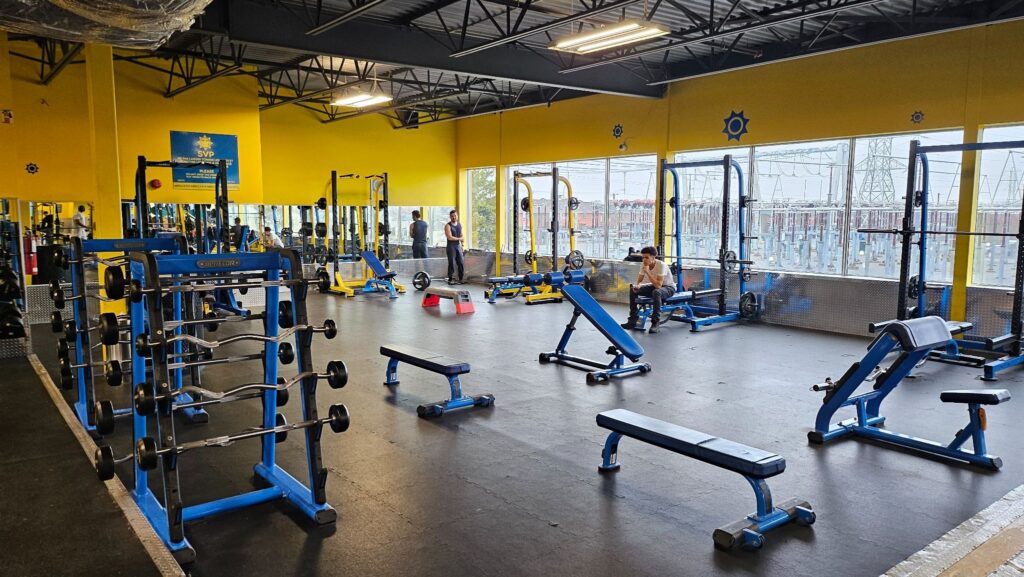
This is the part people underestimate.
The best gym membership isn’t necessarily the cheapest or the fanciest. It’s the one that removes barriers between you and showing up regularly.
That means:
- hours that fit real life,
- locations close to home or work,
- a comfortable environment,
- and enough flexibility that missing one workout doesn’t derail your entire week.
A welcoming local gym changes the psychology of training. You stop viewing workouts as a punishment or obligation and start seeing them as part of your normal routine.
That’s one reason many beginners succeed faster after learning how to choose the best gym for their fitness goals instead of simply picking the lowest monthly price.
Because value isn’t just about cost.
It’s about whether the membership actually helps you stay consistent.
Recovery and Wellness Matter More Than Most People Realize
People often focus entirely on workouts while ignoring recovery.
But recovery is what allows you to train consistently without feeling exhausted, sore, or mentally drained all the time.
That’s why features like sauna access, hydromassage, red light therapy, and body composition tracking are becoming increasingly valuable in modern fitness centers.
According to the Mayo Clinic, sauna sessions may support cardiovascular health, relaxation, and muscle recovery when used regularly.
The same applies to recovery-focused habits outside the gym:
- quality sleep,
- hydration,
- mobility work,
- and stress management.
Fitness becomes sustainable when your body actually feels capable of repeating the process consistently.
That’s also why many gym members combine regular workouts with strategies discussed in articles like how to improve workout recovery safely.
The Environment Around You Shapes Your Results
There’s something powerful about being around people who are also showing up for themselves.
Not necessarily in a competitive way.
But environments influence behavior.
A positive gym atmosphere naturally pushes you to stay longer, train harder, and return more consistently — especially on the days when motivation is low.
This is one reason group fitness classes work so well for many people. Research highlighted by Harvard Health Publishing shows that structured exercise environments often improve long-term consistency and accountability.
For beginners especially, joining group fitness classes can make exercise feel less intimidating and more enjoyable.
And when goals become more specific, personal training can help accelerate progress while improving confidence and technique.
Affordable Gym Memberships Should Still Deliver Real Value
A cheap gym membership only becomes expensive if you never use it.
Likewise, an expensive membership becomes a waste if the environment doesn’t fit your lifestyle.
The real goal is finding affordable gym memberships that still provide:
- flexible access,
- quality equipment,
- supportive environments,
- recovery options,
- and enough convenience to help you stay consistent.
That’s why many people eventually realize they care less about luxury branding and more about practical value. In fact, many members discover budget-friendly gyms often feel more approachable and sustainable than premium fitness clubs.
So, Is a Gym Membership Worth It?
Yes — if it helps you build consistency.
That’s the entire answer.
Not every workout needs to be intense. Not every week needs to be perfect. But having a reliable place to move your body regularly changes more than your appearance.
It changes your energy.
Your stress levels.
Your confidence.
Your sleep.
Your long-term health.
The right gym membership isn’t really about access to machines.
It’s about creating an environment where taking care of yourself becomes easier to maintain for years, not just weeks.
And once that consistency starts compounding, the value becomes very difficult to ignore.
FAQs
Is a gym membership worth paying for every month?
Yes, when you use it consistently. Regular exercise supports better energy, mood, sleep, stress management, and long-term health. The key is finding a gym that fits naturally into your lifestyle.
What should I look for in a gym membership?
Look for convenient hours, clean facilities, a welcoming atmosphere, quality equipment, and pricing that feels sustainable long term. Recovery features and fitness classes can also add significant value.
Are affordable gym memberships good enough?
Absolutely. Many affordable gyms provide excellent equipment, flexible hours, and supportive environments. Consistency matters far more than luxury branding.
How often should beginners go to the gym?
Most beginners do well starting with 2–4 sessions per week. The goal is building a routine you can maintain consistently without burnout.
Do group fitness classes help with motivation?
Yes. Group classes create structure, accountability, and community support, which often helps people stay consistent with their fitness routine over time.